AI Governance
5 min read
How the EU AI Act Is Changing Digital Content Operations
Understanding what falls within scope, what needs to change, and how content teams can prepare for AI transparency requirements.
Jehad Alkhateeb
Read Article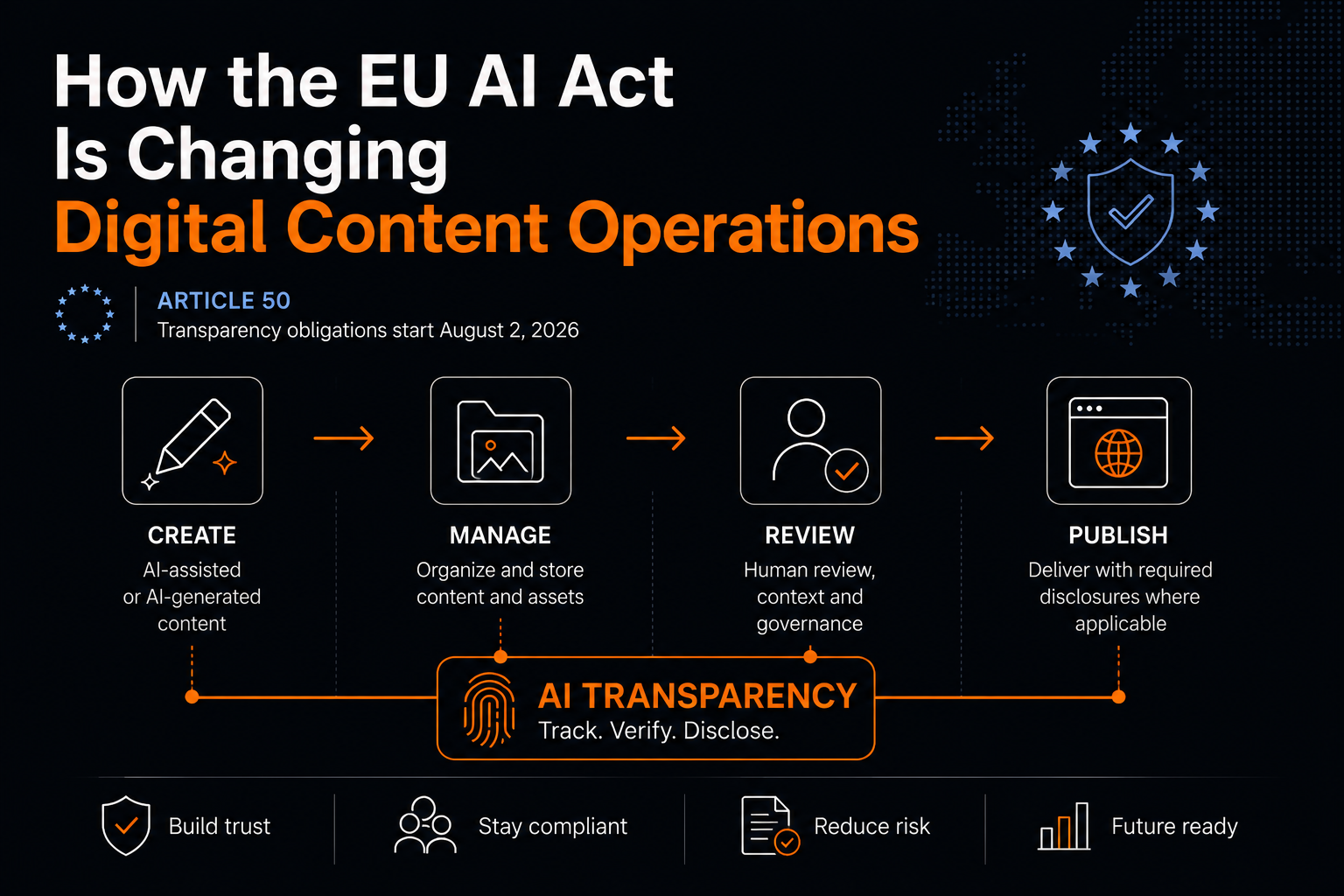
Notes and essays on AI agents, AI-augmented development, software delivery, architecture, and the practical lessons behind digital platforms.
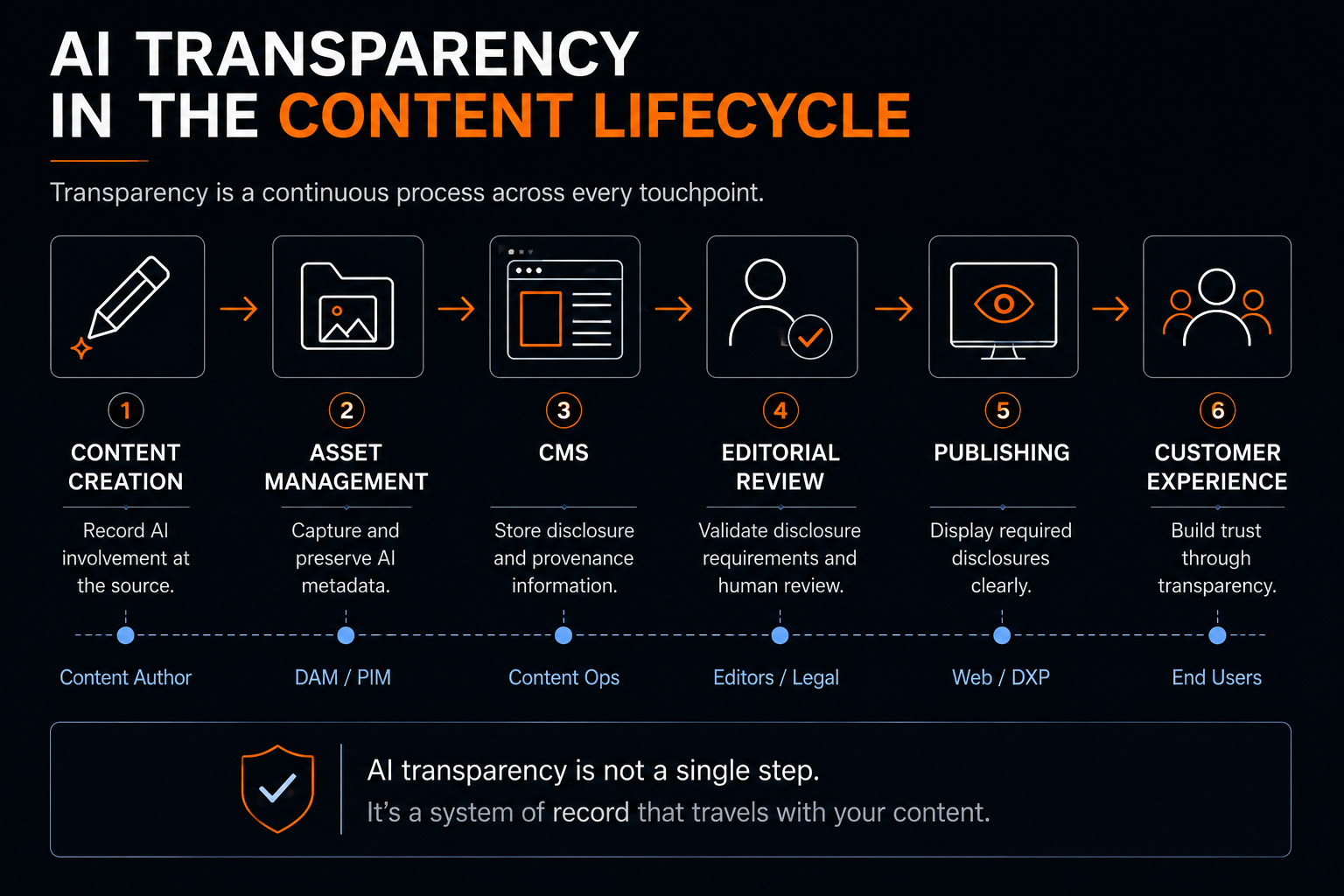
A technical implementation guide for CMS, DAM, DXP, and MarTech teams.
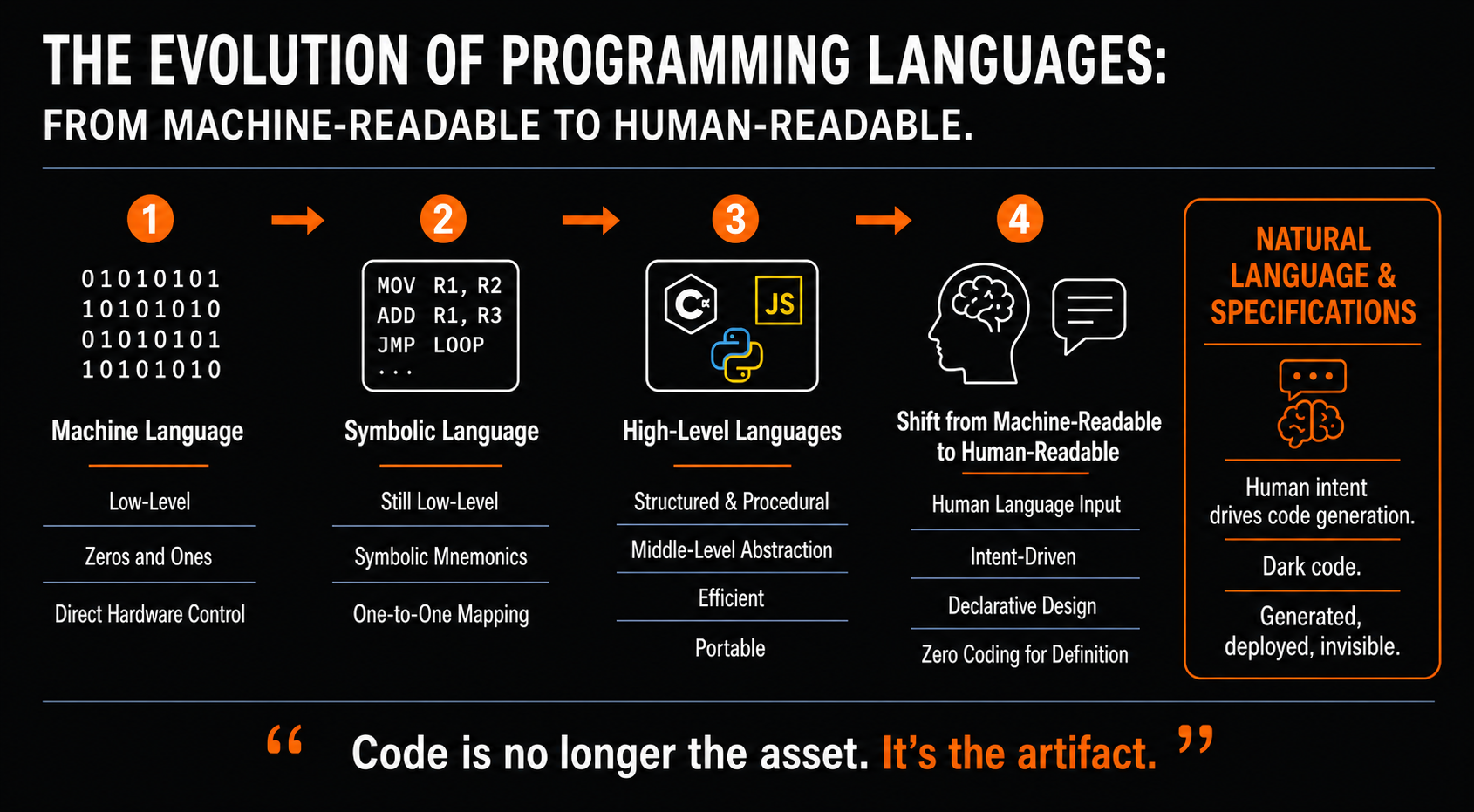
How AI-augmented development is shifting what developers actually do, and why the next level isn't about writing code anymore.
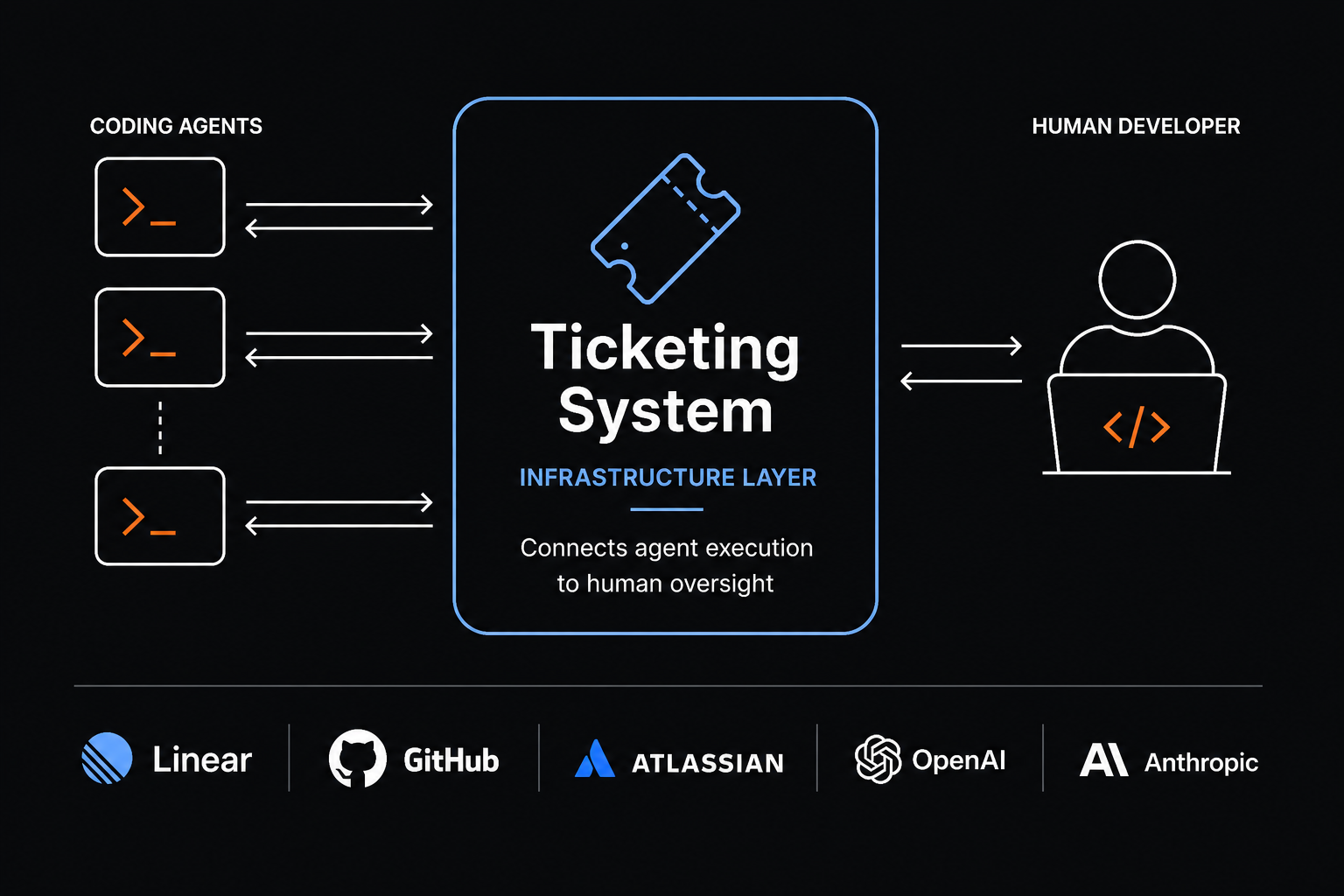
The bottleneck in long-running agent coding isn't the model or the prompts. It's the state management layer. Linear, OpenAI, and Anthropic's rumored Atlassian move all point to the same conclusion.
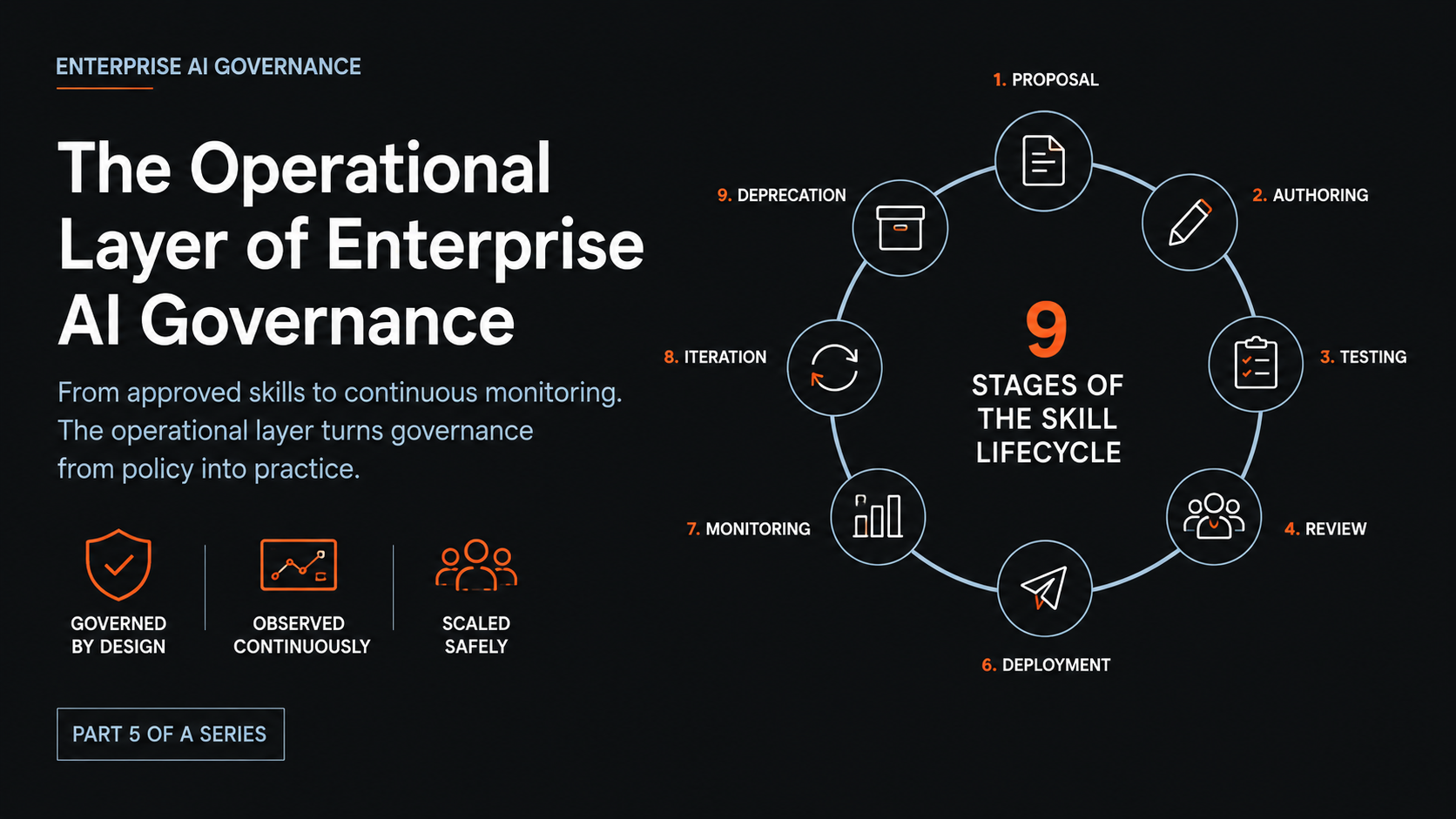
Part 5 of a series on enterprise AI governance. Skills as the control plane, phased rollout, audit cadences, incident response, and what the framework adds up to.
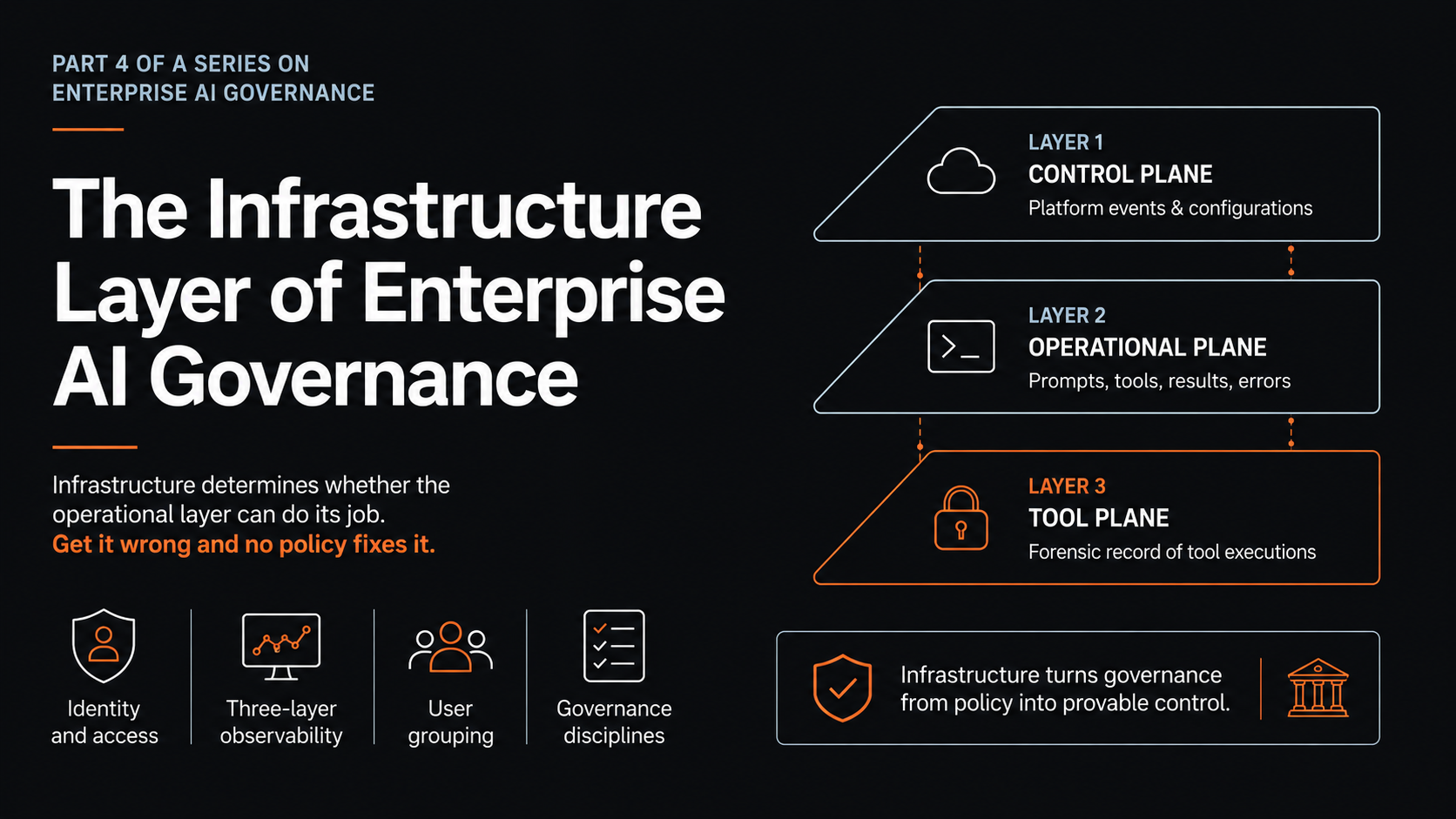
Part 4 of a series on enterprise AI governance. Identity, three-layer observability, user grouping, and policy enforcement that produces a defensible audit trail.
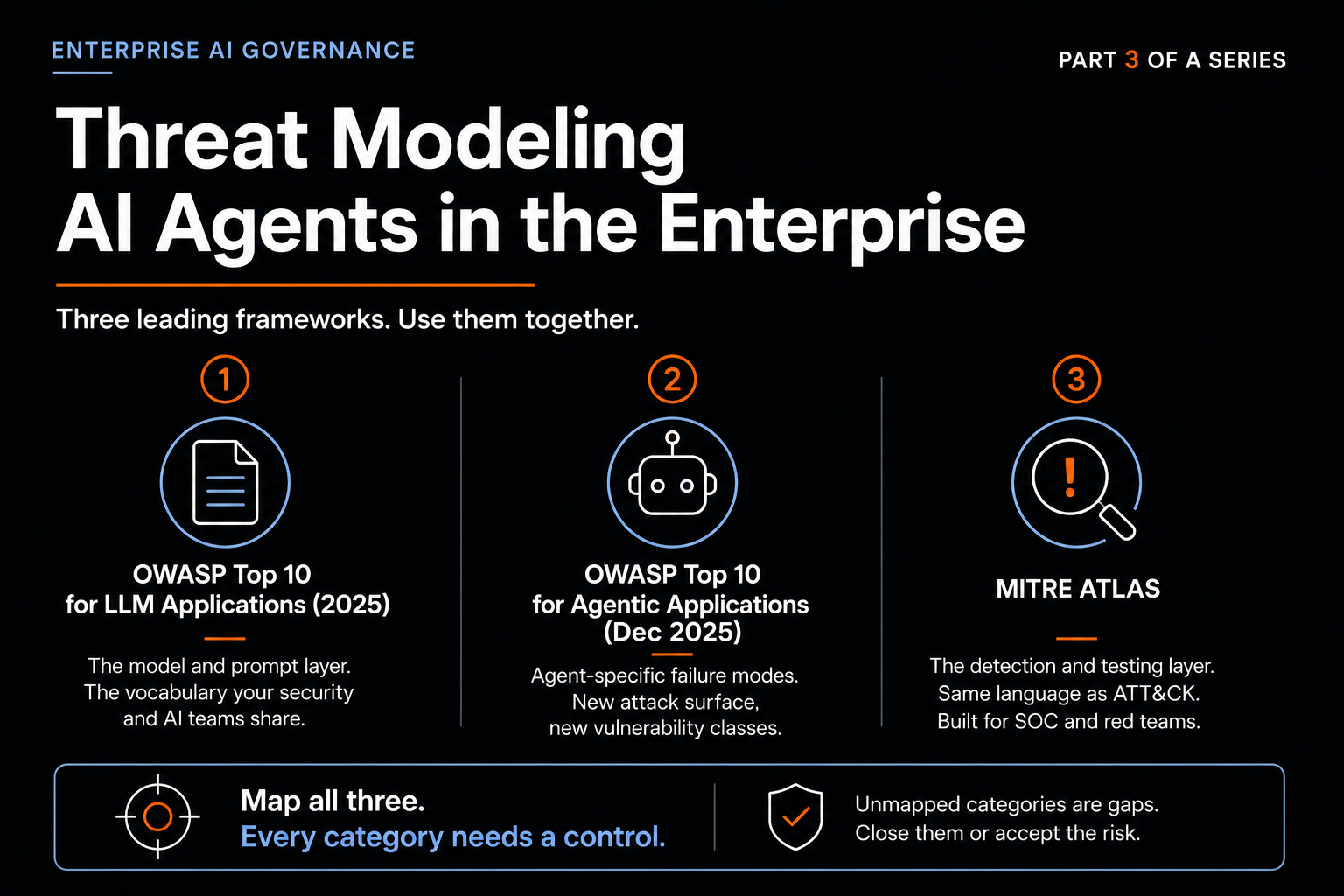
Part 3 of a series on enterprise AI governance. Threat modeling using OWASP LLM Top 10, OWASP Agentic Top 10, MITRE ATLAS, and MCP-specific defense patterns to model real risk.
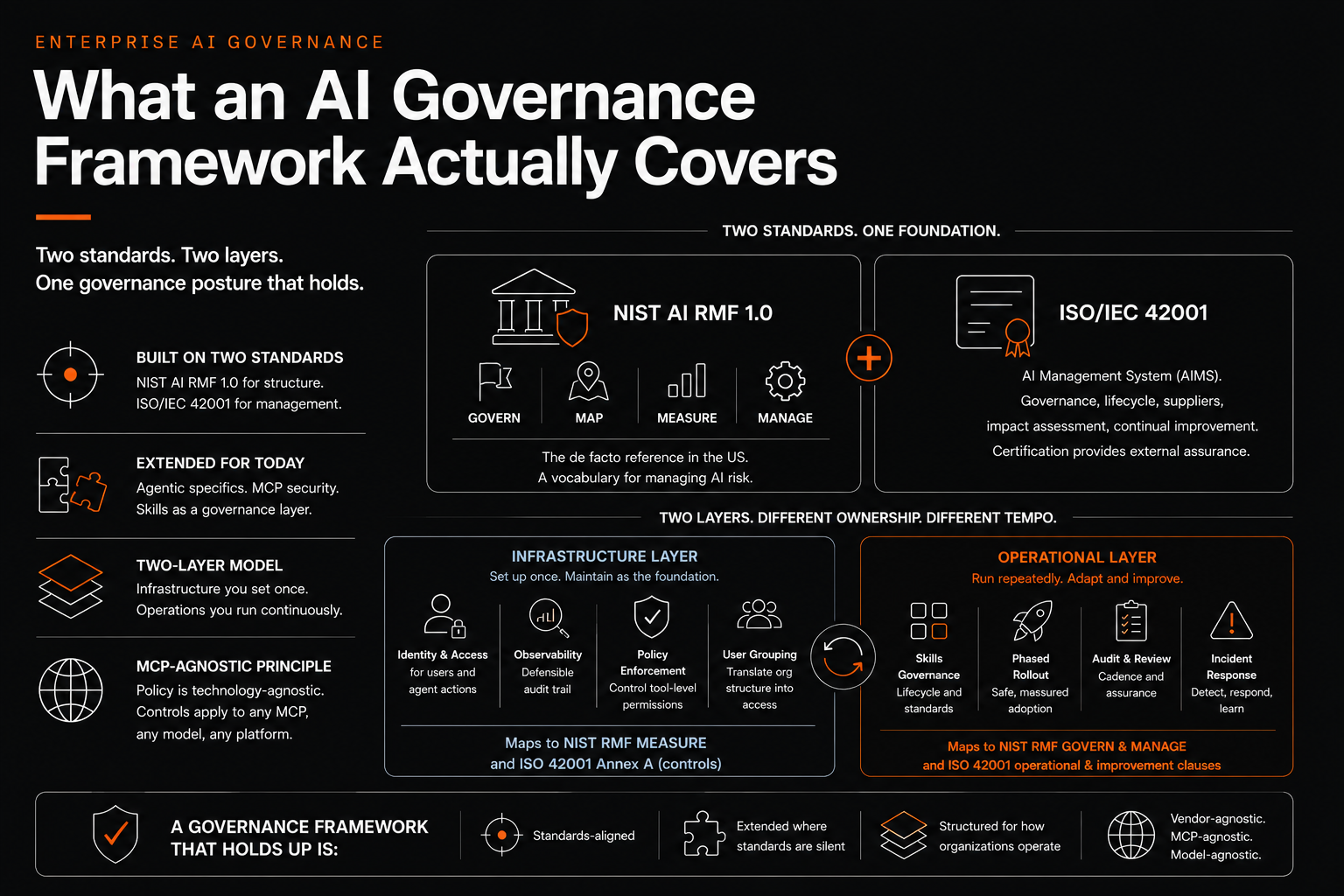
Part 2 of a series on enterprise AI governance. The standards you build on (NIST AI RMF, ISO 42001), the gaps they leave on agents and MCP, and the two-layer operational model that closes them.
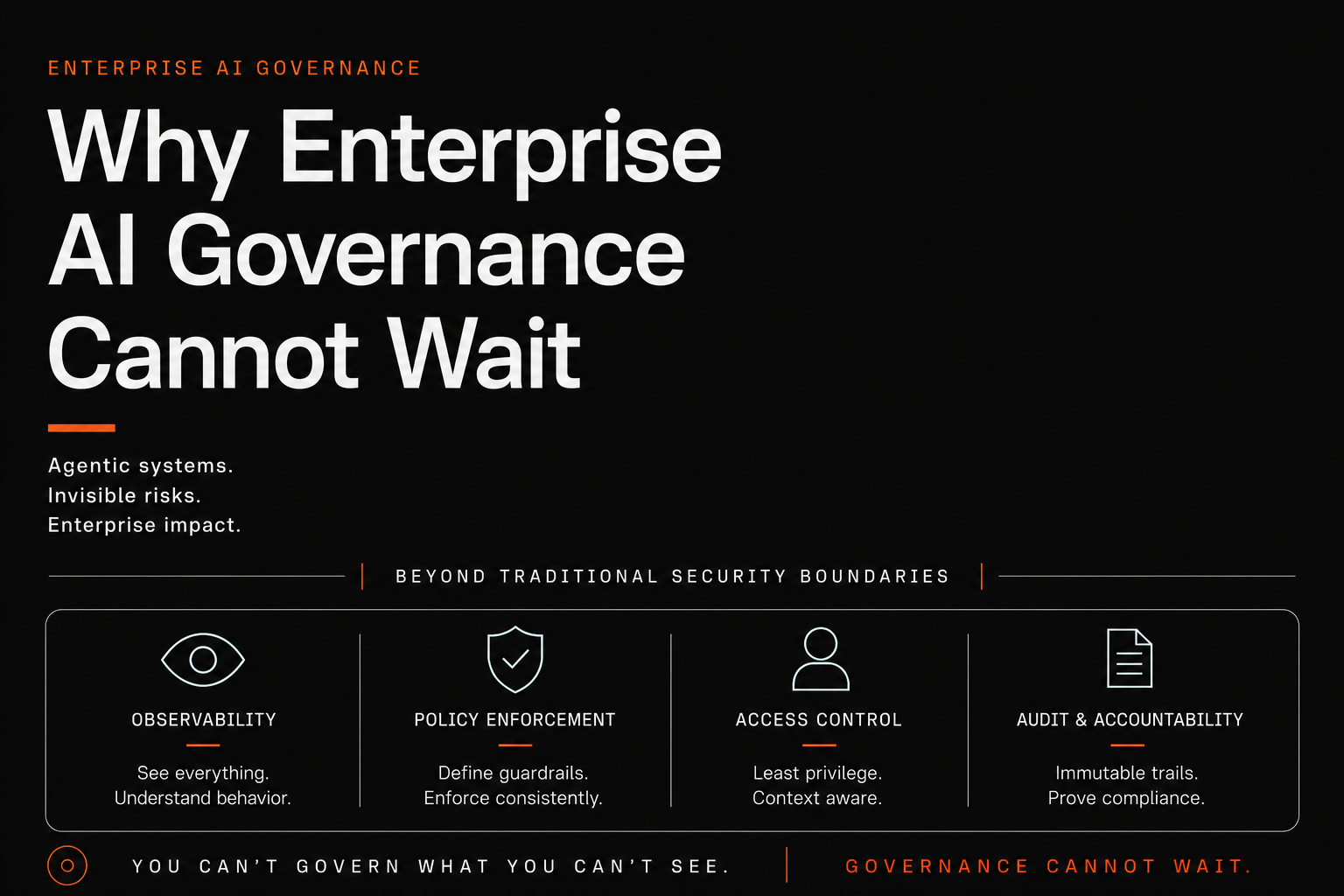
Part 1 of a series on enterprise AI governance. The risks are no longer theoretical. Why governance has to happen now, with the incident data to prove it.
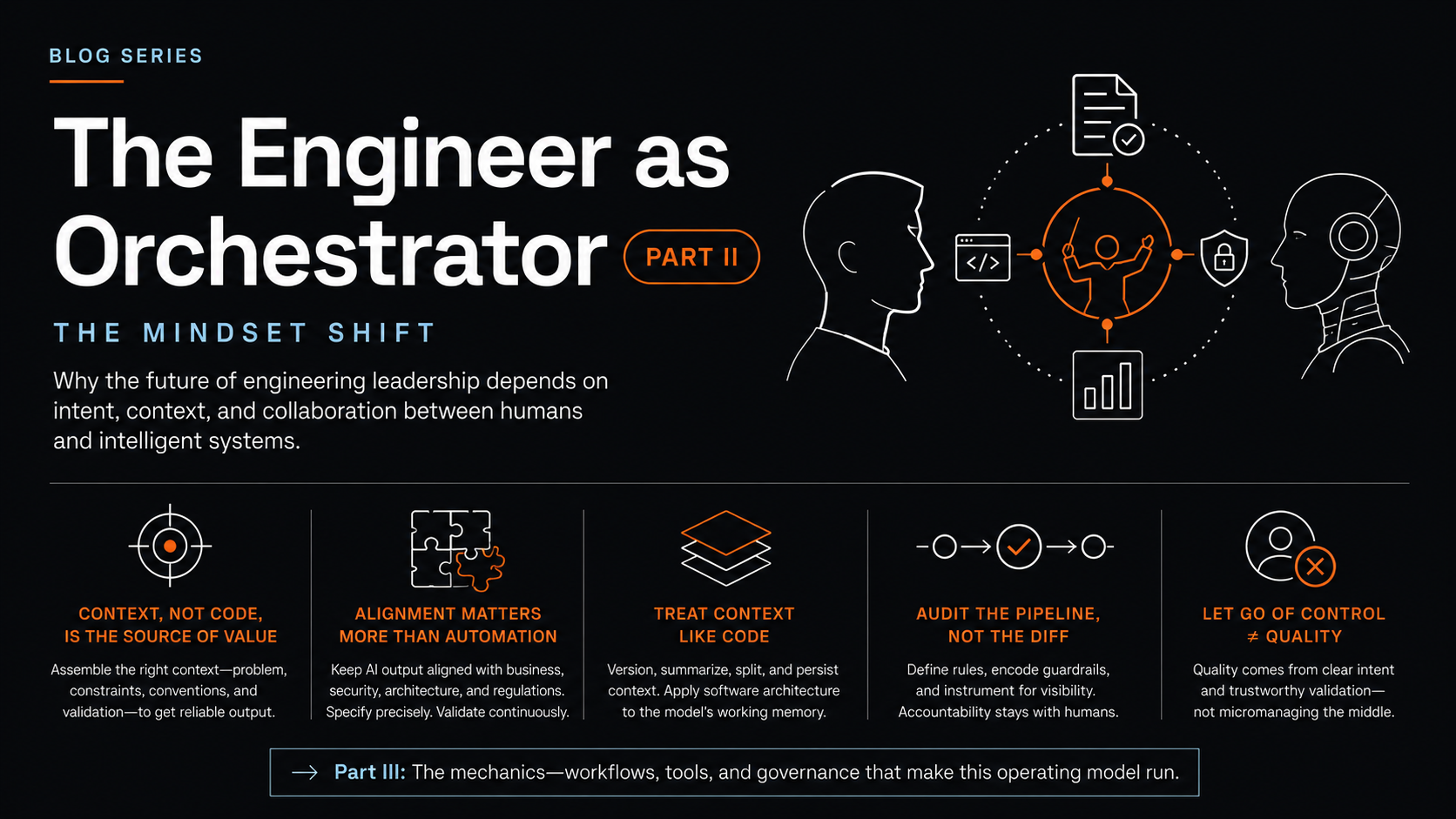
Why the future of engineering leadership depends on intent, context, and collaboration between humans and intelligent systems.
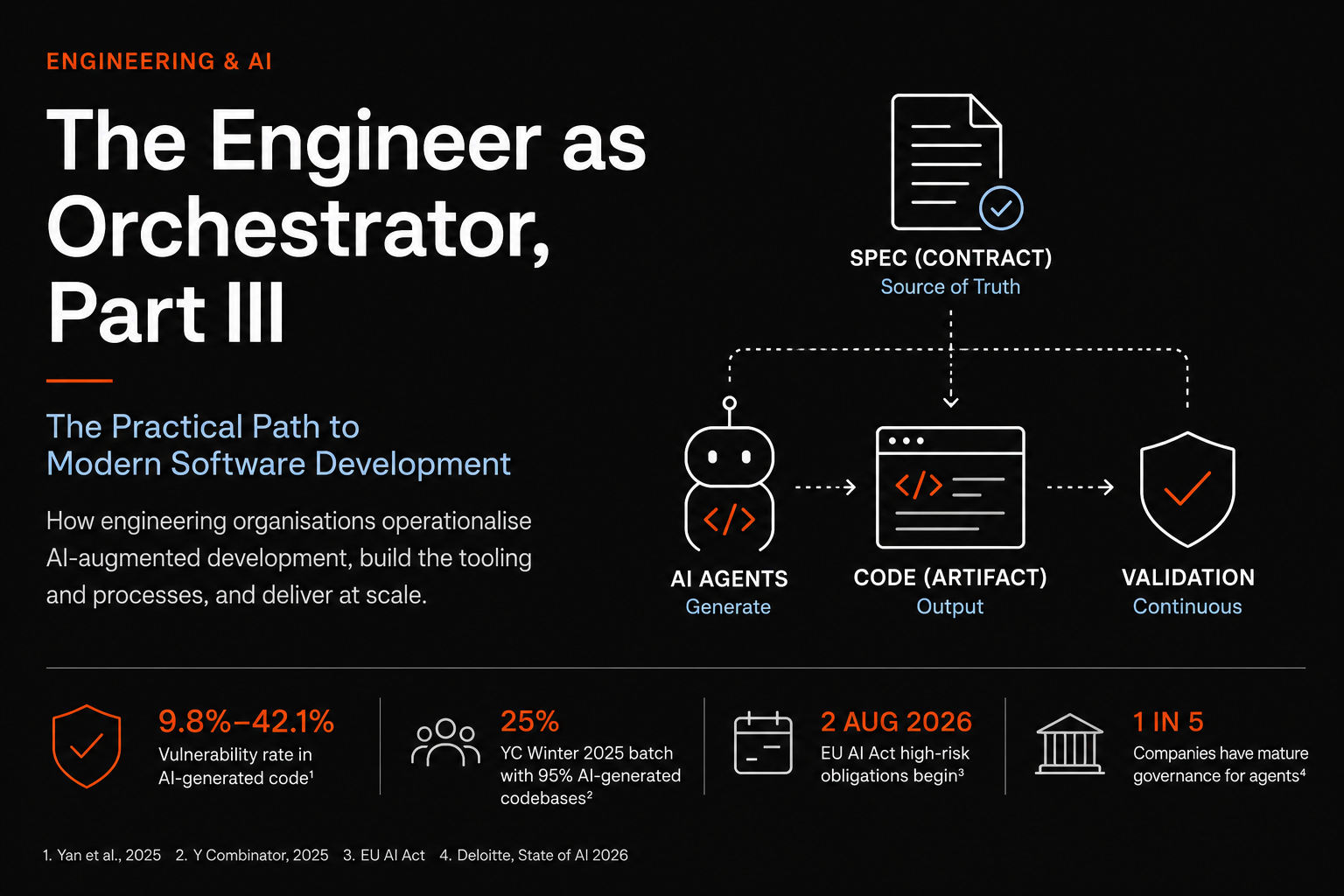
How engineering organizations operationalize AI-augmented development, build the tooling and processes, and deliver at scale.
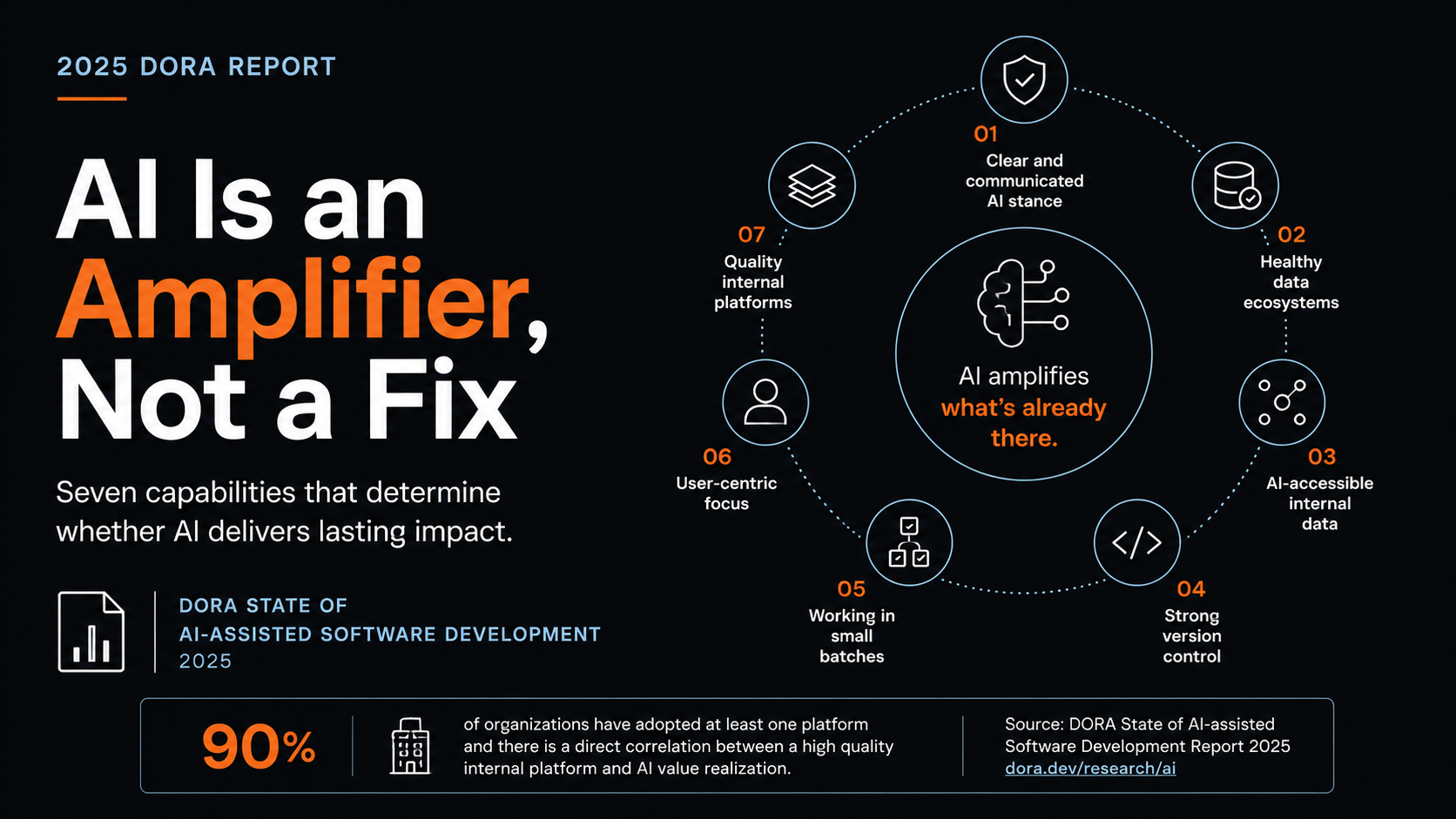
A data-backed framework for scaling AI’s impact across people, platforms, and process.
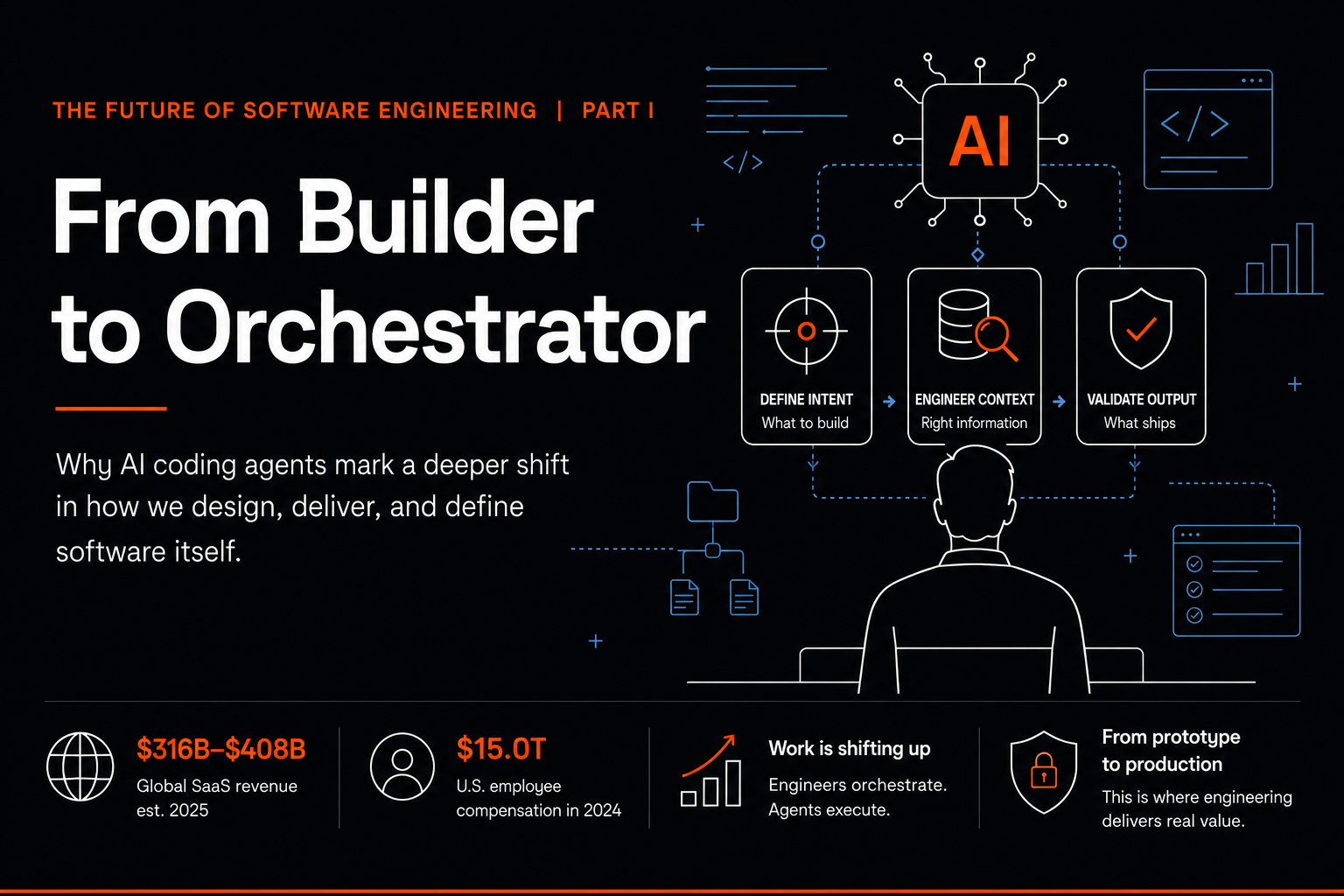
Why AI coding agents mark a deeper shift in how we design, deliver, and define software itself.
Occasional notes on AI agents, software delivery, and AI-assisted engineering.
We respect your privacy. Unsubscribe at any time.